

Are We Over-Tracking Our Health?

25 Mar

There was a time when “listening to your body” meant exactly that. Now, it often means checking an app.
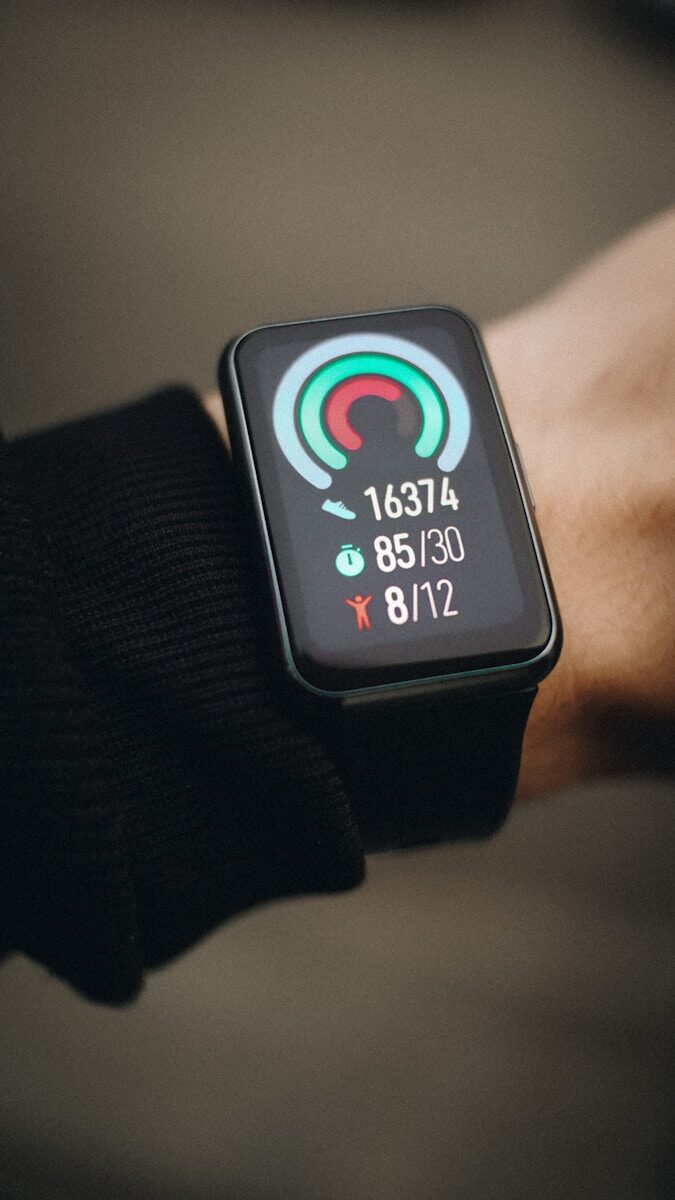
We all keep a close eye on our sleep scores and heart rate. It’s all there, neatly packaged and constantly updating. Devices like the Oura Ring, WHOOP Strap, Apple Watch, and Garmin have made it easier than ever to measure what’s going on inside your body.
And for a lot of people, that’s a good thing. The data can be helpful. It can highlight patterns you might have missed. It can nudge you toward better habits. But there’s a point where tracking stops feeling supportive and starts feeling… heavy.
When Tracking Starts to Create Pressure
At first, it’s interesting. You check your sleep score in the morning. You notice how late meals affect your rest, or how a walk improves your recovery. Then, slowly, it shifts.
You might wake up feeling fine, but your score says otherwise, and suddenly you second-guess if you even slept well. You start hesitating and feel like you’ve failed the day before it’s even started.
There’s even a term for this, orthosomnia. It describes how chasing “perfect” sleep, often driven by tracking data, can actually make your sleep worse. When every metric is visible, it’s easy to start chasing numbers instead of paying attention to how you actually feel. A slightly lower score starts to feel like something’s wrong, instead of it just feeling like an off night.
But the thing to note is that the data itself hasn’t changed, but your relationship to it has. And over time, what started as awareness can quietly turn into pressure.
The Case for Stepping Back
What you need to understand is that tracking isn’t the problem. For a lot of people, it’s genuinely useful. But it works best as a guide, not a rulebook.
If checking your data leaves you feeling informed, it’s doing its job. If it leaves you feeling behind, restricted, or overly focused on hitting targets, it might be time to take a step back.
You don’t need to check every metric, every day and you don’t need to optimise everything at once. Sometimes, less input creates more clarity.
A More Balanced Approach
If you are struggling with this, it’s not about ditching your device completely; try to change your relationship with it.
- Checking your data later in the day instead of first thing in the morning
- Looking at trends over time rather than daily scores
- Pairing the data with how you actually feel before making decisions
- Taking occasional breaks from tracking altogether
The goal isn’t to ignore the data. It’s to stop letting it dictate and control everything. Trust yourself and your body more.
What Actually Matters
Health isn’t just something you can measure. It’s how you feel when you wake up, your energy throughout the day and your ability to focus, to rest, to move, and to recover.
Tracking can support that. But it shouldn’t replace it. Because the most useful signal you have is still your own body.