


16 Jul

Many anti-inflammatory drinks are designed to look more convincing than they are: fluorescent powders, concentrated “shots,” and ingredient lists suggesting one drink can clean up an entire lifestyle. It cannot.
Inflammation is part of normal immune function. The problem is persistent, low-grade inflammation—and no beverage can cancel out poor sleep, excess alcohol, inactivity, or a weak daily nutrition foundation. The useful question is narrower: which drinks have credible evidence and deserve a regular place in your routine?
Green Tea Is the Best Everyday Default
Green tea contains catechins, but its reputation is slightly ahead of the clinical evidence. A 2025 meta-analysis found improvements in oxidative status, while most major inflammatory markers did not change significantly. That makes green tea a sensible habit rather than a treatment.
Its practical advantage is simpler: it is unsweetened and can provide a more controlled first caffeine for people who find coffee too intense. Drink it because it fits a healthy routine—not because one cup is “detoxing” anything.
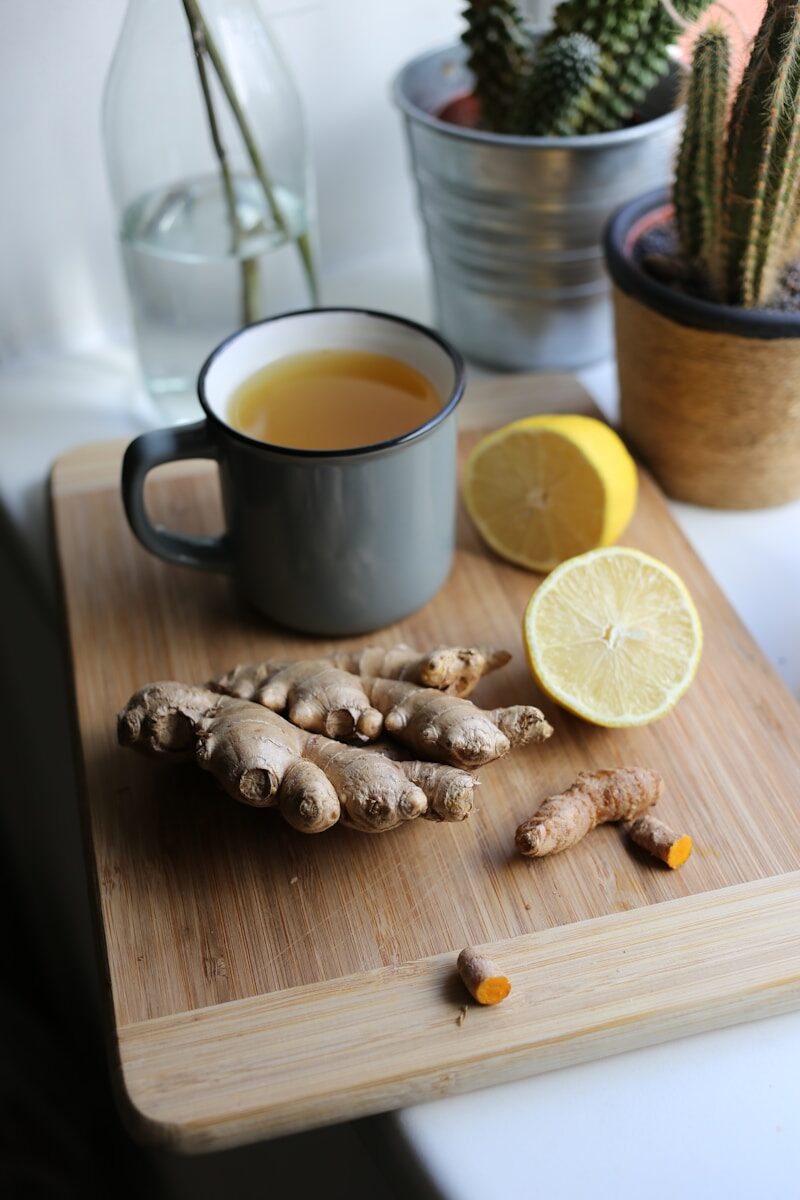
Ginger Has Evidence, but Dose Matters
Ginger has better human data than most bottled wellness shots. Meta-analyses of randomised trials have reported reductions in markers including CRP, high-sensitivity CRP, and TNF-α.
The caveat: many studies use measured supplements, not a token slice dropped into hot water. Freshly grated ginger or a measured amount of powder produces a more substantial drink, but it is not equivalent to a clinical dose. Keep added honey modest.
art Cherry Juice Makes Sense Around Hard Training
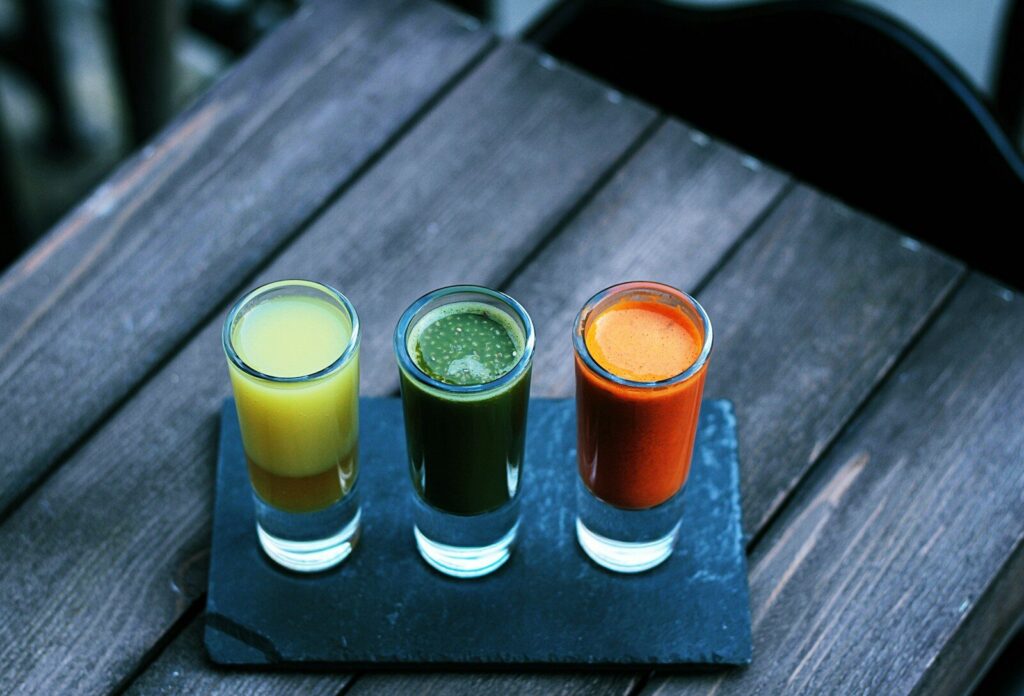
Tart cherry juice is most defensible as a targeted recovery tool after demanding exercise. Reviews suggest it may support selected markers of muscle recovery and inflammation, although results for soreness and performance are inconsistent.
Choose unsweetened Montmorency tart cherry concentrate, dilute it as directed, and account for the carbohydrate and calories. This is not an all-day hydration drink. Its value is context-specific.
Coffee Is Better Than Its Wellness Reputation
Coffee contains polyphenols, and a 2024 meta-analysis found that higher coffee intake was associated with lower CRP levels. Because much of the evidence is observational, it cannot prove coffee caused the difference.
Plain coffee is defensible for people who tolerate caffeine. A syrup-heavy latte with whipped cream is dessert with coffee in it, not an anti-inflammatory strategy.
What Is Not Worth the Premium
Turmeric lattes can be enjoyable, but research typically involves standardised curcumin products with doses and absorption profiles that differ substantially from café drinks. The same scrutiny belongs on greens powders: an impressive ingredient list does not guarantee a clinically meaningful amount.
The strongest move is subtraction—replacing a sugar-sweetened drink with tea, coffee, or water—while correcting dietary gaps such as low fibre intake.
The drinks most likely to help are not miracle products. They are credible options used consistently, in the right context, without asking them to compensate for everything else.