



23 Jul

Longevity has a signal problem. New tests, treatments, and “breakthroughs” appear constantly. Many follow the same pattern as other modern wellness trends that aren’t working: the marketing moves faster than the evidence.
The real shift in longevity isn’t about living forever. It’s about extending the years when your body still works—physically, mentally, and metabolically.
The trends worth paying attention to are the ones that improve measurement, preserve function, and reduce risk. In other words, they reflect the health and longevity advice that actually works, not simply what sounds advanced.
Biological Age Is Becoming More Useful
Biological-age testing started as a simple promise: one number to tell you how fast you’re aging. That idea is evolving.
What matters now isn’t a single score—it’s whether you can track meaningful change over time and act on it. The more useful tools are those that connect aging to actual health outcomes, not just abstract data.
If a test can’t guide a decision, it’s not adding much value. For a deeper breakdown, see how to improve healthspan and slow biological aging.
And if you want to identify early warning signs, signs of accelerated aging are often more actionable than a single score.

Strength and Fitness Are Becoming Core Metrics
For years, longevity conversations focused heavily on labs and supplements. Now, physical capacity is moving back to the center.
Strength, aerobic fitness, and balance directly affect how well you age. They determine how resilient you are to illness, injury, and stress—not just how you look or weigh.
That’s why metrics like VO₂ max, strength, and movement quality are becoming more relevant than passive tracking. If you want a starting point, longevity habits for everyday life are still the highest-return investment.
And for people balancing work and performance, a structured 9-to-5 longevity routine makes consistency realistic.
GLP-1 Medications Are About More Than Weight
GLP-1 drugs are often framed as weight-loss tools. That’s not the full picture. Their bigger impact is in metabolic and cardiovascular health. For the right person, they can reduce risk—not just body weight.
But they’re not a shortcut to longevity. Without strength training, proper nutrition, and long-term planning, the benefits can be incomplete. The broader lesson is simple: not everything that works medically scales into a universal solution.
If you’re trying to filter signal from noise, what’s actually worth it for your health is the right lens.
Preventive Testing Is Expanding—With Tradeoffs
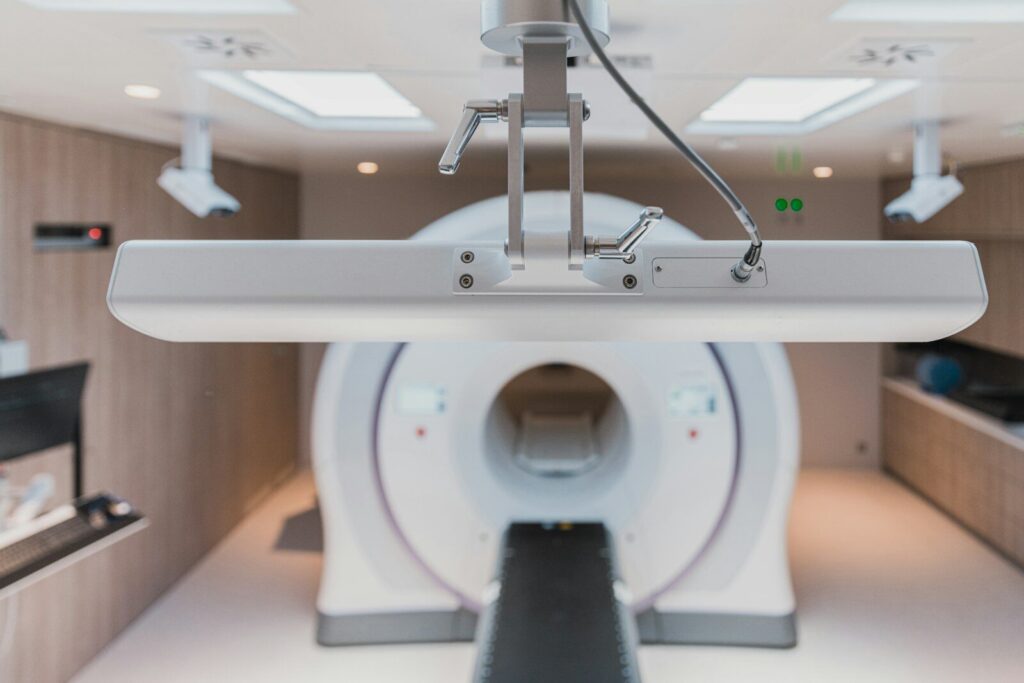
Full-body MRIs, advanced panels, and early-detection tests are becoming more accessible. The appeal is obvious: find problems early.
The reality is more complicated. More testing often leads to more false positives, unclear findings, and unnecessary follow-ups. Without a clear plan, extra data can create more confusion than clarity.
This is where optimization turns into overreach. Are we over-tracking our health? is a question more people should be asking.
And if you’re considering premium diagnostics, it’s worth understanding what actually happens at a longevity clinic before committing.
Experimental Anti-Aging Therapies Are Still Early
Rapamycin, senolytics, and cellular reprogramming are among the most talked-about developments in longevity—but also the most overstated, with much of the excitement still driven by early or non-human research. While they may eventually reshape how we think about cellular health, human evidence remains limited. That gap between promise and proof isn’t unique—it shows up across many modern wellness trends that aren’t working.
The real shift in longevity is toward interventions that improve outcomes: preserving function, reducing risk, and delivering measurable results. In practice, that means prioritizing the health and longevity strategies that actually work—especially fundamentals like sleep, where fixing your sleep often has more impact than any experimental protocol.