


The Health Metrics Worth Tracking After 30

17 Sep

It is now possible to track almost every detail of your health. Your watch estimates recovery, your ring scores your sleep, and blood tests promise to reveal how quickly you are ageing.
More information does not always create a clearer picture. As we have explored in our guide to over-tracking your health, normal fluctuations can quickly start to feel like problems.
After 30, the goal is to establish a useful baseline and notice meaningful changes. These are the measurements worth prioritising.
This becomes particularly useful when changes in energy, recovery, body composition, or sleep begin to resemble the signs commonly associated with accelerated ageing.
Blood Pressure
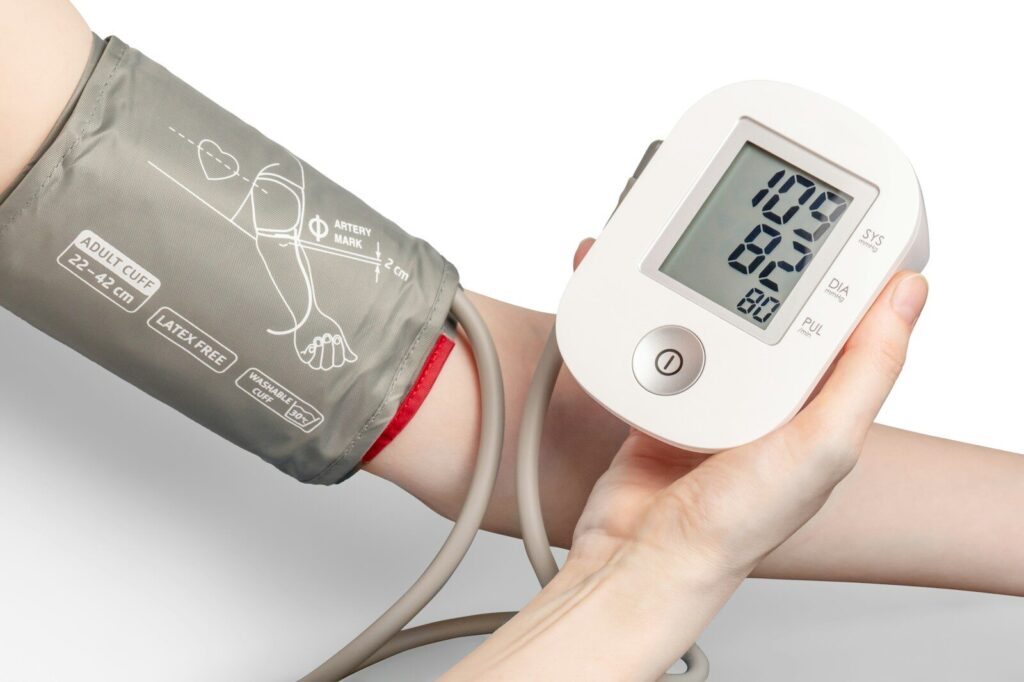
Blood pressure is easy to overlook because elevated levels do not usually cause obvious symptoms. Over time, however, consistently high blood pressure can increase the risk of heart disease, stroke, and kidney problems.
The American Heart Association considers blood pressure below 120/80 mm Hg normal. One higher result does not confirm hypertension, but repeated readings should be discussed with a healthcare professional.
You do not necessarily need to measure it daily. Occasional readings taken correctly at home, alongside routine medical appointments, can show whether your numbers are gradually moving in the wrong direction.
Cholesterol And Blood Sugar
Cholesterol and blood sugar can reveal changes before you feel any different. These biomarkers are also among the measurements commonly reviewed during a more comprehensive longevity assessment, although most people can begin with routine testing through their doctor.
A standard lipid panel generally includes total cholesterol, LDL, HDL, and triglycerides. These numbers should be interpreted together, along with factors such as family history, blood pressure, smoking, and existing health conditions.
Blood glucose deserves similar attention. An A1C test estimates your average blood sugar over the previous two to three months, making it more informative than reacting to one meal or an isolated wearable reading.
Testing frequency depends on your age, medical history, and personal risk. What matters is building a record that allows you and your doctor to identify a pattern. This is far more useful than waiting until symptoms appear.
Waist Measurement And Body Composition
Body weight alone cannot distinguish between muscle, fat, water, and natural day-to-day fluctuations. A waist measurement adds useful context because changes around the abdomen may reflect shifts in metabolic health.
Body composition scans can provide additional information, but the method matters. Consumer smart scales are useful for observing broad trends, not analysing every decimal point.
Measure under similar conditions and focus on changes across several months. That longer view supports the same principles behind improving healthspan and slowing biological ageing.

Aerobic Fitness And Strength
Step counts are easy to collect, but physical capacity tells you more about what your body can handle.
Choose a repeatable aerobic benchmark, such as how long it takes to walk or run a set distance at a controlled effort. Resting heart rate may offer additional context, although stress, illness, medication, temperature, and sleep can all affect it. These measurements can also help you understand how well your routine supports energy, focus, and recovery throughout the day.
Strength should also have a place in your baseline. You might track a few consistent exercises or pay attention to practical abilities such as carrying weight, climbing stairs, and getting up from the floor comfortably.
The aim is not to chase personal records every week. It is to preserve capability. This is where simple habits you can maintain tend to matter more than an elaborate testing routine.
Sleep And Daytime Energy
Sleep scores can be interesting, but they remain estimates. Bedtime consistency, night waking, morning alertness, and afternoon energy may tell you more about how well you are recovering.
Track these factors for a couple of weeks rather than judging one night in isolation. You may notice links with alcohol, stress, late meals, travel, or training. If you regularly get enough hours but still wake up exhausted, it is worth looking more closely at why sleep is not leaving you rested.
Persistent fatigue, loud snoring, breathing interruptions, or morning headaches should not be dismissed because an app gives you a reasonable score. Sleep influences far more than tiredness, which is why improving it can change several areas of your health.
Track Less, But Track Better
You probably do not need to monitor HRV, calorie burn, glucose, recovery, and “biological age” every day. These metrics can provide context, but they also create noise.
Prioritise clinical markers, repeatable fitness benchmarks, sleep quality, and persistent changes in how you feel. Your thirties are the right time to create a baseline and build the daily habits that support long-term health, not a reason to turn your body into a permanent data project.