



12 Nov

Most people judge a workout by how hard it felt. Your muscles judge it by what happens over the following day, and much of that is decided in the kitchen. If you have already built an exercise routine that supports longevity, recovery is where that effort either compounds or quietly leaks away. As our guide to functional nutrition and daily fueling argues, food works best as a system, and recovery is one of the clearest places to see it in action.
Recovery Is a Daily Total, Not a 30-Minute Window
The belief that you must down a shake within minutes of your last set has softened considerably. The International Society of Sports Nutrition (ISSN) notes that the muscle-building effect of training lasts at least 24 hours, so total intake and how you spread it matter more than a stopwatch. For most active adults, that means 1.4 to 2.0 grams of protein per kilogram of body weight per day, split into doses of roughly 20 to 40 grams every three to four hours. If you are unsure where you land, our guide to how much protein you actually need after 30 is the place to start. Anyone with kidney disease or another medical condition should check with their doctor before raising protein intake significantly.
Eggs and Greek Yogurt: The Efficient Protein Base

Whole eggs earn their place for more than convenience. In a small 2017 trial of ten resistance-trained men, whole eggs eaten after training produced about 40% more muscle protein synthesis than egg whites containing the same protein. It is one short-term study, not proof of bigger long-term gains, but it is a reasonable case for keeping the yolk.
Greek yogurt and cottage cheese are rich in casein, a slow-digesting dairy protein. The ISSN reports that 30 to 40 grams of casein before sleep can raise overnight muscle protein synthesis, which makes a generous bowl of either a smart evening habit and a natural partner to the advice in Fix Your Sleep, Fix Everything Else.
Salmon: Protein With a Side of Omega-3s
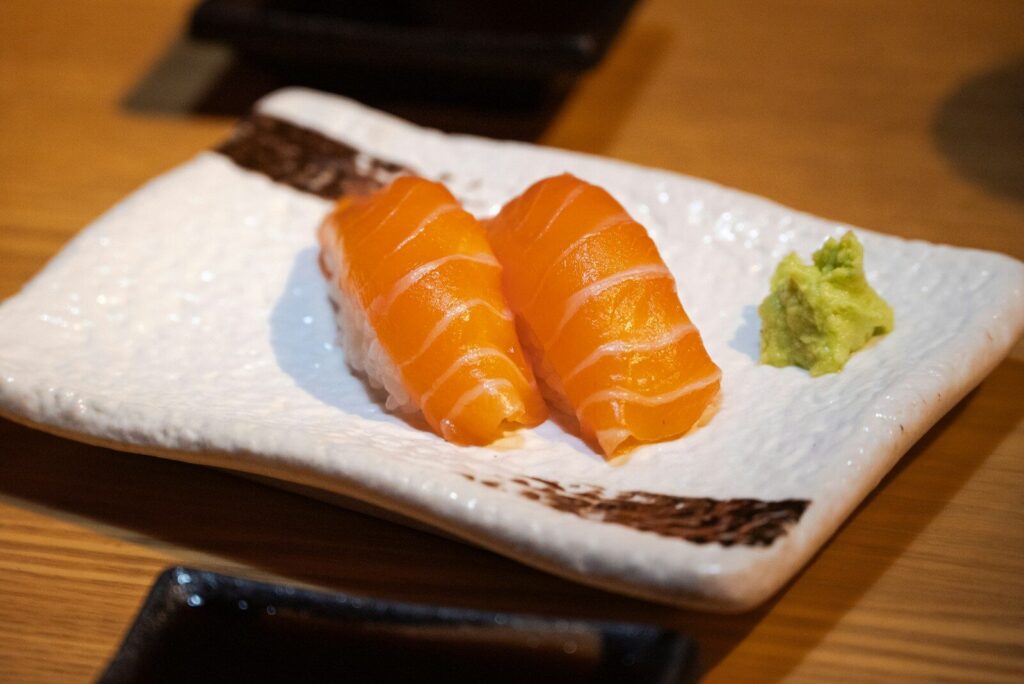
Salmon covers your protein target while supplying the omega-3 fats EPA and DHA. The evidence on omega-3s and soreness is promising but not settled. One meta-analysis found less soreness after eccentric exercise, yet the effect fell below the threshold most people would notice, and the authors rated the evidence low quality. Treat salmon as a high-value protein first and a possible soreness aid second. It also shows up for good reason in what high performers eat in a day.
Carbohydrates Refill the Tank

Protein repairs muscle, but carbohydrates refuel it. Glycogen, the stored carbohydrate your muscles burn during hard sessions, needs replacing, especially after long endurance work such as extended Zone 2 training. When you train again within four hours, the ISSN suggests about 1.2 grams of carbohydrate per kilogram per hour, or 0.8 grams alongside 0.2 to 0.4 grams of protein. If you train once a day, ordinary meals of rice, potatoes, oats or fruit paired with protein are enough. Fiber-rich carbohydrates bring benefits of their own, which is why protein and fiber both deserve a place on your plate.
Tart Cherries: A Targeted Extra
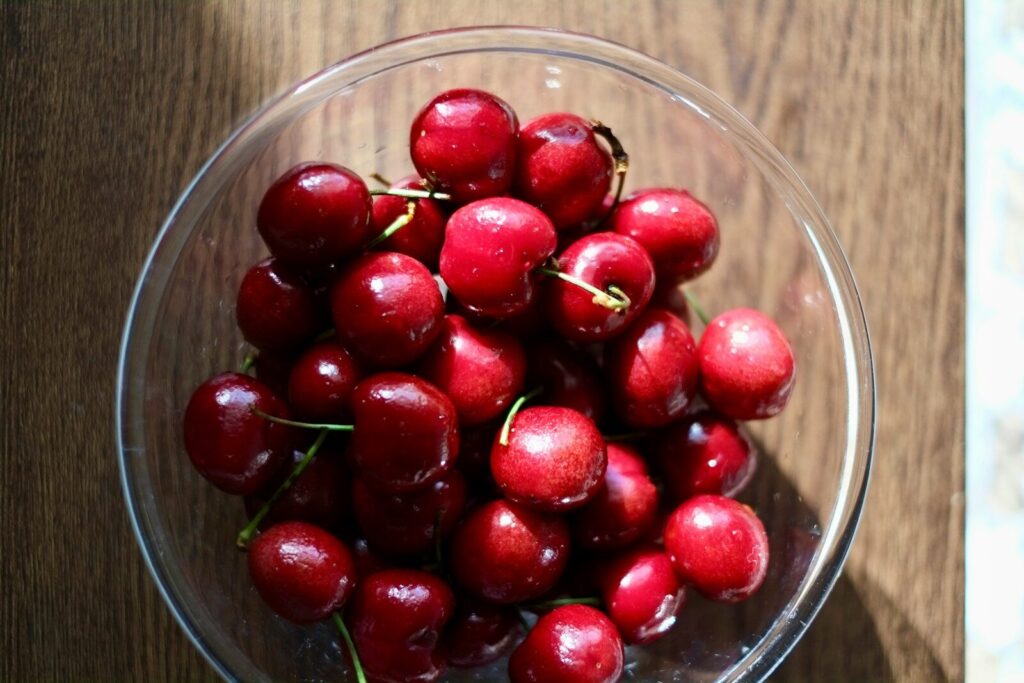
Montmorency tart cherry is among the better-studied recovery foods. A 2021 meta-analysis of 14 studies found a moderate benefit for regaining strength and a smaller reduction in soreness. A 2026 review was more cautious, framing it as an extra for heavy training blocks rather than a daily essential and noting possible sponsorship bias. It earns a spot among anti-inflammatory drinks that actually do something, but mainly when recovery pressure is high.
Conclusion
The best recovery foods are rarely exotic. Hit your daily protein in evenly spaced doses, match carbohydrates to how hard and how often you train, and treat salmon and tart cherry as sensible upgrades rather than shortcuts. For the bigger picture of how food, sleep and training fit together, see how to optimize your energy, focus and recovery daily.
FAQ
Quick answers to the questions people ask most about eating for muscle recovery.
What should I eat after a workout?
A meal with 20 to 40 grams of high-quality protein plus some carbohydrate, such as eggs on toast or Greek yogurt with fruit, eaten within a couple of hours, is a practical default.
Does protein timing matter?
Less than total intake. Spreading protein evenly across the day matters more than eating the moment you finish training.
Do I need protein powder to recover well?
No. Powder is convenient, but whole foods can meet your needs comfortably.
Is tart cherry juice worth buying?
It may help during intense training periods, but most people do not need it daily. Check the label for added sugar.