



06 Nov

Zone 2 has gone from endurance-coaching jargon to a fixture of longevity podcasts, and many beginners now assume it is the only cardio worth doing. It is useful, not magic. If you are building an exercise routine that supports longevity, the smarter question is not whether to do Zone 2, but how much of your week it deserves.
What Zone 2 Actually Means
Zone 2 is the second band in a five-zone intensity model. In 2025, a panel of 14 sport scientists and coaches agreed it is best performed just below your first lactate or ventilatory threshold, the point where breathing and blood lactate begin to rise. In practice, it is a steady effort you could sustain for hours.
The catch is that no single definition exists. Labs, coaches, and wearables draw the boundaries differently, so your watch’s Zone 2 may not match a study’s.
How To Find It Without A Lab
A metabolic test can pinpoint your thresholds, but beginners rarely need one. The CDC’s talk test is a practical proxy: at moderate intensity, you can talk but not sing. Zone 2 sits at the easier end of that range, where you can speak in full sentences while breathing a little harder than normal. On the CDC’s 0–10 effort scale, moderate activity is a 5 or 6.
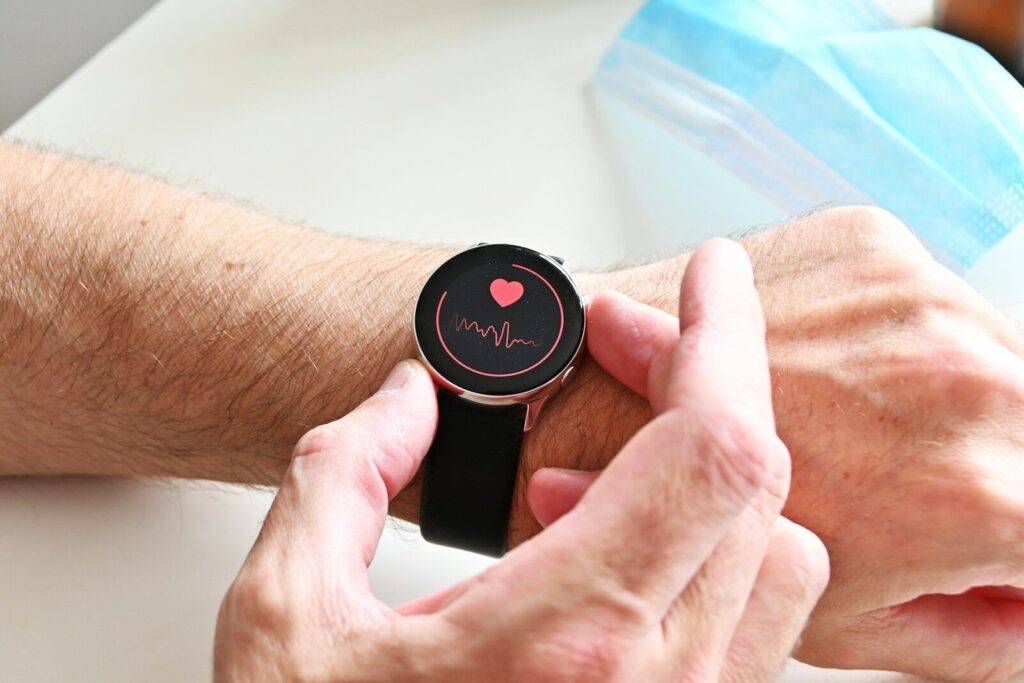
Age-based heart rate formulas are a reasonable start, but individual maximum heart rates vary widely, so treat any number as a guide. If you wear a tracker, use it for consistency rather than precision, because tracking more is not always tracking better.
Why It Is Worth Doing
Easy aerobic work trains the heart and improves how muscles use oxygen and fat, building the base that harder training relies on. Because it is low-stress, it is easy to recover from and repeat, which matters more for beginners than any single workout. Sustainable effort is what keeps high performers consistent without burning out.
This is the same machinery behind the cellular health conversation, and one reason aerobic fitness belongs in any serious plan to improve healthspan and slow biological aging. It also supports the steadier daily energy covered in our guide to optimizing energy, focus, and recovery.
Where The Hype Overreaches
The popular claim is that Zone 2 is the optimal intensity for mitochondria and fat burning. A 2025 narrative review in Sports Medicine disagreed, concluding that the evidence does not support Zone 2 as optimal and that higher intensities are important for maximizing cardiometabolic benefits, particularly when training time is limited. Much of the hype traces back to elite endurance athletes who train for many hours a week, a context that rarely transfers to someone with three or four.
Even the expert panel that defined Zone 2 acknowledged its adaptations may not be unique to that zone. Zone 2 is a foundation, not the whole building.
A Simple Starting Plan
US guidelines recommend 150 to 300 minutes of moderate aerobic activity each week, plus muscle-strengthening work at least twice a week. A realistic start is three 30- to 45-minute Zone 2 sessions using brisk or incline walking, easy cycling, or rowing. Once that feels routine, add one shorter session of harder intervals. Starting small works because low-effort habits are the ones people stick with.
If you still feel drained despite easy sessions, look at sleep, stress, and nutrition before adding volume, since fatigue often has causes outside training. Check with a doctor first if you have a heart condition, take medication that affects heart rate, or notice chest pain, dizziness, or unusual breathlessness during exercise.
Conclusion
Zone 2 is the most accessible effective cardio, with a low barrier to entry and a low recovery cost. Use it to build volume and habit, keep strength training in the mix, and add intensity once the base is there. To see whether it is working, follow a few of the health metrics worth tracking after 30.
FAQ
Quick answers to the questions beginners ask most about Zone 2.
How long should a Zone 2 session be?
For most beginners, 30 to 60 minutes is practical. Total weekly minutes matter more than any single session.
Does walking count as Zone 2?
Yes. Brisk or incline walking keeps many beginners in range. As fitness improves, you may need to jog or cycle to stay there.
Is Zone 2 better for fat loss?
You burn a higher share of fat at low intensity, but total energy expenditure, diet, and consistency matter far more for fat loss than the fuel mix of one workout.
Do I need a heart rate monitor?
No. The talk test is a reliable, free starting point. A monitor helps with consistency but is optional.