


28 Apr

Walk through any grocery store right now and it’s clear what the focus is.
High-protein everything. Bars, cereals, snacks, even desserts are being repositioned as protein-first. It’s become the default signal for “healthy.”
But there’s a quieter gap most people aren’t paying attention to.
You can hit your protein target every day and still feel low on energy, off in your digestion, or stuck in a cycle of cravings. That’s where the conversation starts to shift, and where fiber comes in.
So the real question isn’t just protein vs fiber. It’s whether we’re optimizing the right thing.
It’s Not a Competition, But It Is a Priority Question
Protein and fiber both matter. They just don’t do the same job.
Protein supports structure. It helps maintain muscle, supports recovery, and keeps you feeling full after meals.
Fiber supports systems. It impacts digestion, gut health, blood sugar, and how your body regulates energy throughout the day.
One is visible and easy to measure and track. The other works in the background, but influences more than most people realize.
That difference is exactly why this conversation matters.
What Protein Actually Does, And Where It Gets Overvalued

Protein has earned its place in the conversation.
It plays a critical role in:
- Muscle repair and maintenance
- Hormone production
- Appetite control and satiety
For people who train regularly, are aging, or are trying to maintain lean mass, protein becomes even more important.
But here’s where things get slightly distorted.
Most people are already getting enough protein, especially compared to a decade ago. The surge in high-protein products has made it easier than ever to hit those targets without much effort.
What hasn’t kept up is context.
More protein doesn’t automatically translate to better health outcomes. At a certain point, it simply becomes excess, often replacing other nutrients that matter just as much, if not more.
Protein is easy to track, easy to market, and easy to sell. That’s part of why it dominates the conversation in modern wellness.
Fiber Is Quietly Doing More Than You Think

Fiber doesn’t get the same attention, but it affects far more systems in the body.
It plays a role in:
- Supporting the gut microbiome
- Regulating blood sugar levels
- Managing cholesterol
- Reducing inflammation
It also influences how stable your energy feels throughout the day and how effectively your body processes the food you eat.
And here’s the bigger issue. Most adults still fall short.
While protein intake has increased, fiber intake has stayed consistently low. That imbalance shows up in subtle ways first, digestion, energy dips, cravings, and then compounds into bigger issues over time.
Fiber isn’t flashy, but it’s foundational.
Why Fiber Is the Missing Piece in Modern Diets
The structure of the modern diet makes this gap almost inevitable.
Convenience foods, even the “healthy” ones, are often stripped of fiber. Ultra-processed meals prioritize shelf life and taste over nutrient density. Even high-protein options can be surprisingly low in fiber.
The result is a diet that looks optimized on the surface but lacks depth.
You can hit your protein goal, eat relatively clean, and still miss the diversity of plant-based foods that feed your gut and regulate your system.
That’s when things start to feel slightly off.
Energy becomes inconsistent. Hunger returns quickly. Digestion isn’t as smooth as it should be.
Not because you’re doing something wrong, but because something is missing.
So What Actually Matters More?
If you’re looking at this from a pure priority standpoint, fiber is often the bigger unlock for most people.
Protein supports the body’s structure. Fiber supports how that structure functions.
And right now, the bigger gap for the average person isn’t protein intake. It’s fiber intake.
That doesn’t mean protein isn’t important. It just means that doubling down on protein while ignoring fiber doesn’t move things forward in a meaningful way.
Optimization isn’t about adding more of what’s already covered. It’s about correcting the imbalance.
How To Balance Both Without Overthinking It
You don’t need a complex system to get this right.
- Anchor each meal with a solid protein source, such as eggs, fish, meat, or legumes
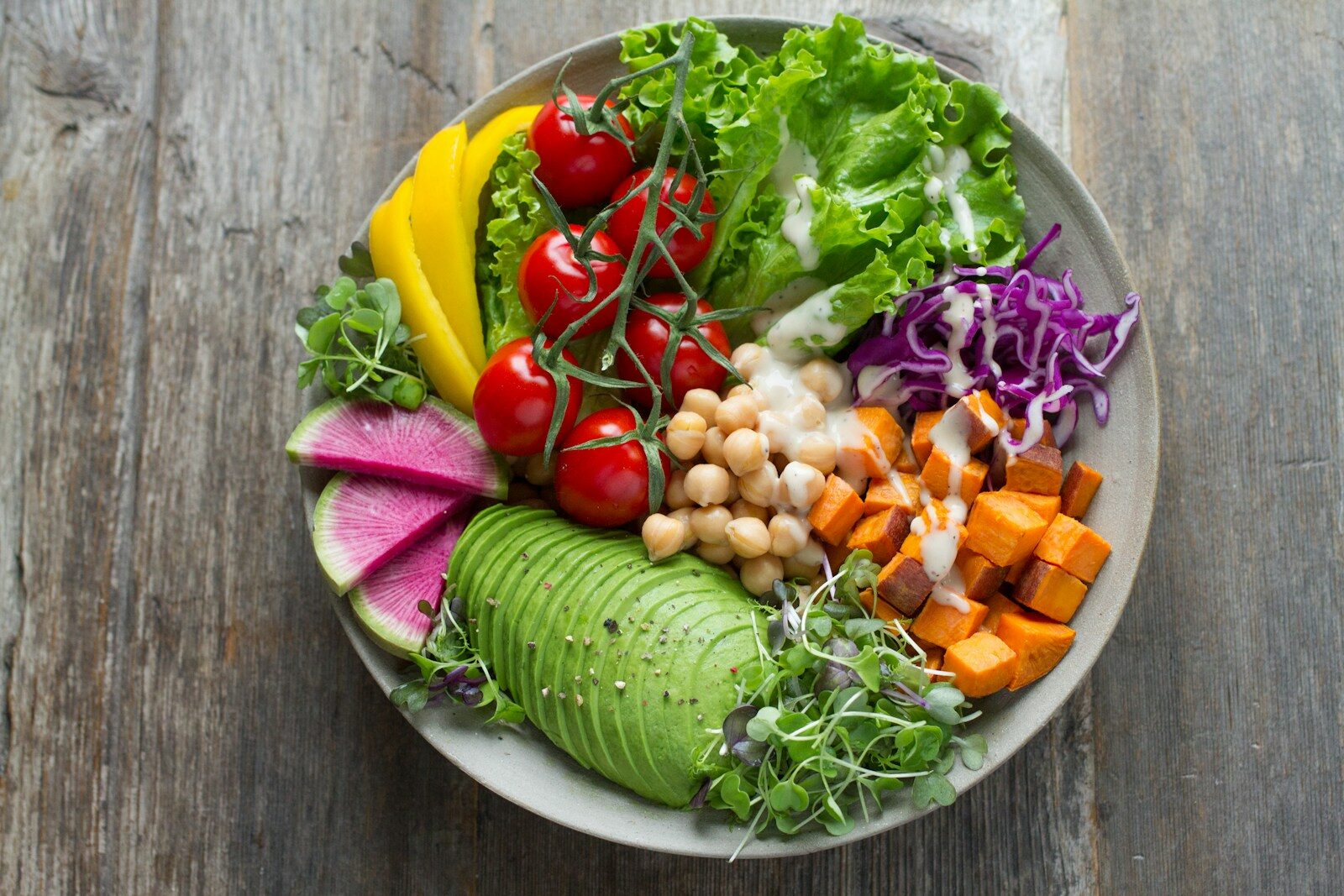
- Build the rest of the plate around fiber-rich foods, vegetables, whole grains, beans, and seeds
- Focus on variety rather than repeating the same few foods
One shift tends to change everything.
Instead of asking “how do I add more protein,” start asking “where is the fiber in this meal?”
That single question usually leads to better overall decisions.
Conclusion
Protein gets the spotlight because it’s easy to quantify and easy to sell.
Fiber drives results because it supports more of the systems that actually determine how you feel day to day.
When something feels slightly off, energy, digestion, consistency, it’s rarely a protein issue.
It’s usually fiber.
And for most people, that’s the adjustment that makes everything else start working the way it should.