



28 Apr

Peptides are suddenly everywhere. You’ll see them in skincare, hear about them in longevity clinics, and spot them in conversations around metabolism and weight loss.
The problem is, most explanations either oversimplify them or make them sound more complex than they need to be.
That’s where clarity gets lost. It becomes hard to tell whether peptides are actually useful, or just another layer of wellness noise.
What Most People Get Wrong About Peptides
Peptides aren’t a product.
They’re a function your body already relies on.
Your body produces peptides constantly. They act as signals, telling different systems what to do and when to do it. That includes things like repairing skin, regulating hunger, managing inflammation, and supporting recovery.
What’s changed is not their existence. It’s our ability to use those signals more intentionally.
What Peptides Actually Are (In Plain Terms)
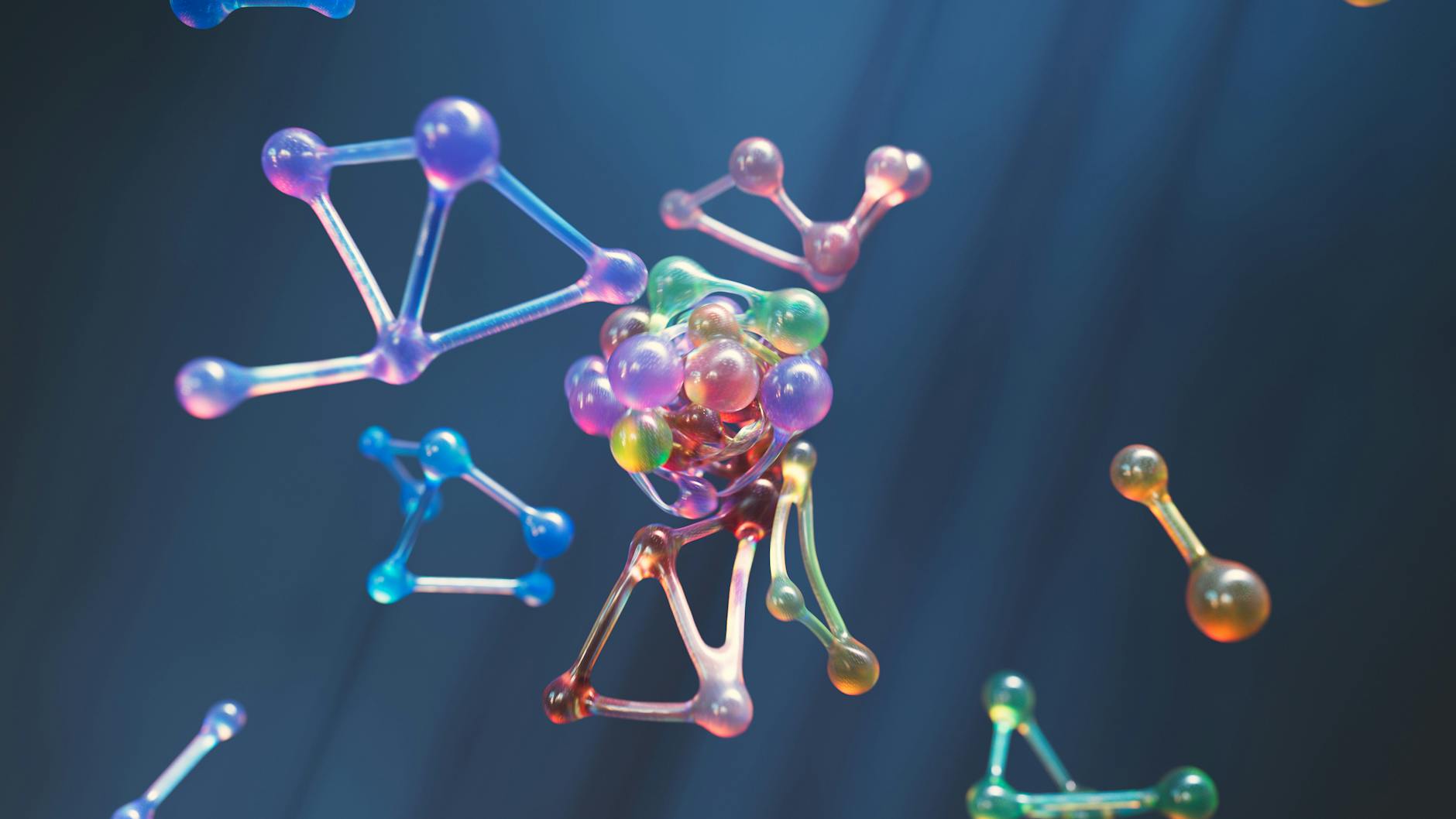
Peptides are short chains of amino acids.
If proteins are long, complex structures that build and maintain tissue, peptides are smaller and more focused. Their role is communication.
They send instructions.
A peptide might signal your skin to produce more collagen. Another might influence how your body regulates appetite. Another might support how your body recovers after stress or exercise.
Once you understand that, the rest starts to make more sense. Peptides are less about adding something new and more about guiding what your body is already trying to do.
Why They’re Suddenly Trending
This isn’t a new discovery. It’s a shift in how people approach health.
There’s been a move away from broad, generic solutions toward more targeted, biology-driven decisions. Instead of taking something that affects everything, people are looking for ways to influence specific systems with more precision.
Peptides fit into that shift.
At the same time, they’ve become more visible. Skincare brands are using them more openly. Clinics are building protocols around them. And wellness content has started pulling them into the mainstream.
That combination, better awareness and easier access, is what’s driving the current interest.
Where You’re Actually Seeing Them Used
Peptides show up across a few key areas, each with a different goal.
Skincare
Topical peptides are used to support collagen production and improve skin texture. They work at a local level, helping the skin repair and maintain itself more effectively.
Metabolic Health
Some peptide-based medications influence appetite, blood sugar, and energy regulation. These are used in more clinical settings and are often part of structured treatment plans.
Recovery and Performance
Certain peptides are associated with muscle repair, inflammation control, and sleep support. This is why they’re often discussed in training and recovery conversations.
Longevity and Clinics
In more specialized settings, peptides are being explored for their role in aging, immune function, and overall system optimization. This space is still developing and varies widely in approach.
Why Delivery Matters More Than People Realize
Not all peptides are used the same way, and this is where a lot of confusion comes from.
Topical peptides, like those in skincare, stay local. They work where they’re applied.
Oral peptides are more limited. Many are broken down during digestion, which can reduce how much actually reaches the bloodstream.
Injectable peptides bypass digestion entirely. That’s why they’re often used in clinical or performance-focused protocols where a systemic effect is the goal.
The method changes the outcome. It’s not just about what you take, but how it enters the body.
What Peptide Stacking Is, And Why It’s Getting Attention
Peptide stacking is the practice of combining multiple peptides within a single protocol.
The idea is to layer signals. Instead of targeting one function, you target several parts of the same system at once. For example, pairing peptides that support recovery with those that improve sleep.
There’s logic behind it, but also complexity.
The more variables you introduce, the harder it becomes to understand what’s actually working. Some combinations are based on emerging research or practitioner experience rather than large-scale evidence.
It’s an area that attracts attention because it feels tailored. But precision comes from understanding, not just adding more.
What’s Actually Worth Paying Attention To
Some peptides are well-established and used in medical treatments. Others are still being explored or marketed ahead of strong proof.
That doesn’t make the space irrelevant. It just means it requires a more considered approach.
The real value comes down to three things:
- Whether the peptide itself is well understood
- How it’s delivered
- Whether it matches a specific goal
Without that, it’s easy to follow trends without seeing meaningful results.
Conclusion
Peptides aren’t a shortcut, and they’re not a trend to dismiss either.
They’re a tool. And like most tools in health, their value depends on how clearly you understand what they’re doing.
The bigger shift isn’t peptides themselves. It’s the move toward more precise, biology-led decisions in how people approach their health.
FAQ
Are peptides safe to use?
Some peptides are well-studied and used in medical settings, while others are still being researched. Safety depends on the specific peptide, how it’s used, and whether it’s guided by a professional.
Do peptides actually work?
Certain peptides have clear, proven effects. Others show promise but lack strong evidence. Results depend on the type of peptide and how it’s delivered.
Are peptide supplements effective?
Many oral peptides are broken down during digestion, which can limit effectiveness. Some are designed to work in the gut or survive digestion, but quality varies.
What’s the difference between peptides and proteins?
Peptides are shorter chains of amino acids and act as signals in the body. Proteins are larger structures that build and maintain tissues.
Do you need to inject peptides to see results?
Not always. Topical peptides can be effective for skin, while systemic effects often require delivery methods that bypass digestion, which is why injections are used in clinical settings.