


06 Oct

Most people leave their annual physical with a reassuring “everything looks normal,” yet a standard panel is built to catch disease once it has arrived, not the slow drift that comes before it. If you care about improving your healthspan and slowing biological aging, that gap matters, because the markers that best predict heart disease, diabetes, and chronic inflammation years ahead are often missing from the default order.
The fix isn’t buying the biggest panel on the market. Direct-to-consumer labs now sell packages promising 100+ biomarkers, but more data rarely leads to better decisions, a tension we explored in Are We Over-Tracking Our Health? The smarter approach is a short list of tests that would actually change what you do next, ordered at the right frequency and read in context.
ApoB: The Cholesterol Number That Matters More
A standard lipid panel reports LDL cholesterol, which measures how much cholesterol your particles carry. ApoB counts the particles themselves, and because each artery-clogging particle carries exactly one ApoB molecule, it tracks cardiovascular risk more precisely, particularly for people with normal LDL but high triglycerides. It typically costs $20 to $50 at a commercial lab, making it one of the clearest upgrades available.
Lp(a): The Test You Only Need Once
Lipoprotein(a) is largely set by your genes, and roughly one in five people carry levels high enough to raise heart attack and stroke risk regardless of diet or fitness. Since it barely changes over a lifetime, a single result gives you lasting information. A high number can’t be fixed with lifestyle alone, but it signals that every other risk factor deserves tighter management.
Fasting Insulin and HbA1c: Spotting Metabolic Drift Early
Fasting glucose is often the last number to move. HbA1c reflects average blood sugar over about three months, while fasting insulin shows how hard your body works to keep glucose in range. Together, they can flag insulin resistance years before a diabetes diagnosis, which is useful context if you feel tired even when you sleep enough or notice signs you may be aging faster than you think. If the numbers creep up, how you fuel your day is usually the first lever worth pulling.

hs-CRP, Ferritin, and Vitamin D: The Supporting Cast
High-sensitivity C-reactive protein is an inexpensive marker of low-grade inflammation that adds useful context to heart risk. Ferritin reflects iron stores, and low levels quietly undermine energy, training recovery, and even hair density, a link covered in our guide to inside-out beauty. Vitamin D completes the trio because deficiency is common, especially through winter, and simple to correct. For anyone focused on optimizing energy, focus, and recovery, these three often explain more than a wearable can. Thyroid and sex hormone panels earn a place when symptoms point that way, not as a reflex.
Editorial Note
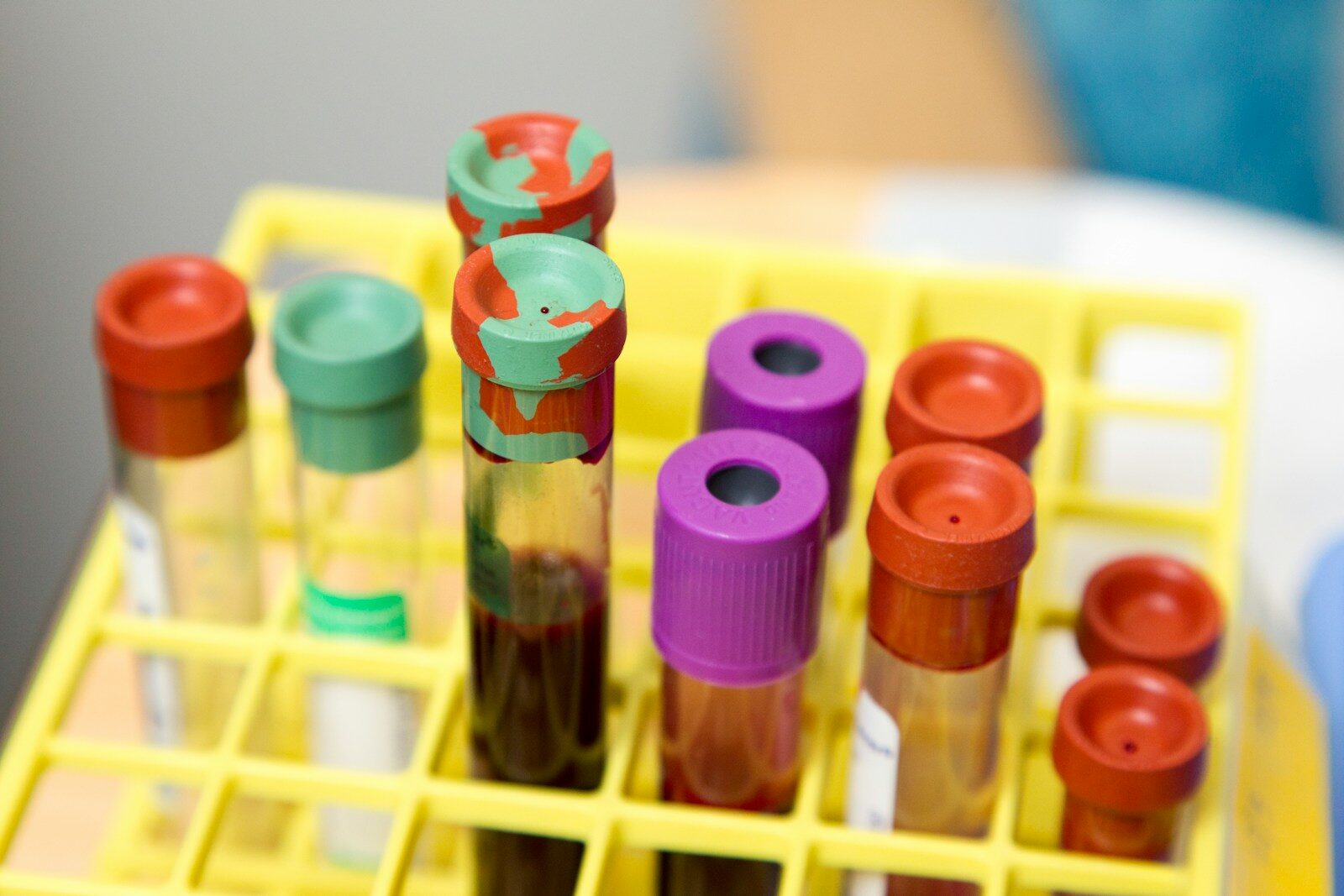
Ask your doctor to add ApoB, Lp(a), and fasting insulin to your next routine draw. When a physician orders them, insurance may cover the cost, which can make the most useful tests the cheapest ones.
What to Skip, and How Often to Test
IgG food sensitivity panels are widely sold, but major allergy organizations don’t support them for diagnosis, so they tend to create restrictions without real answers. Retesting everything quarterly is rarely useful either. For most healthy adults, an annual baseline plus a retest after a deliberate change, such as a new training plan or medication, is enough. Our list of health metrics worth tracking after 30 shows where labs fit alongside other numbers, and if you’d rather have a physician interpret everything, here’s what happens at a longevity clinic and whether the premium pays off.
Conclusion
The best labs aren’t the most comprehensive; they’re the ones that give you a clear reason to act. Pair the results with habits that move them, starting with an exercise routine built for longevity.