



25 Aug

For a long time, I thought eating for performance meant following a strict meal plan and owning an impressive collection of supplements. What has worked better for me is much simpler: a practical approach to functional nutrition built around repeatable meals that support energy, concentration, training, and recovery.
Like most effective longevity habits, the advantage comes from consistency. I am not trying to optimise every bite. I want to make good decisions without spending half my day thinking about food.
Here is what that looks like across a typical day.
Breakfast Starts With Protein

I used to treat coffee as breakfast, especially when work was busy. It felt efficient until my concentration dropped and I started looking for something sugary by mid-morning. It was hardly the best foundation for a 9-to-5 routine designed around energy and longevity.
Now, I make protein the foundation of my first meal. That could be eggs with vegetables and whole-grain toast, Greek yoghurt with berries and nuts, or a protein smoothie when I need something quick.
There is no complicated recipe or lengthy morning ritual. The goal is simply to eat something substantial enough to carry me through the first part of the day.
Lunch Is Built Around The Afternoon
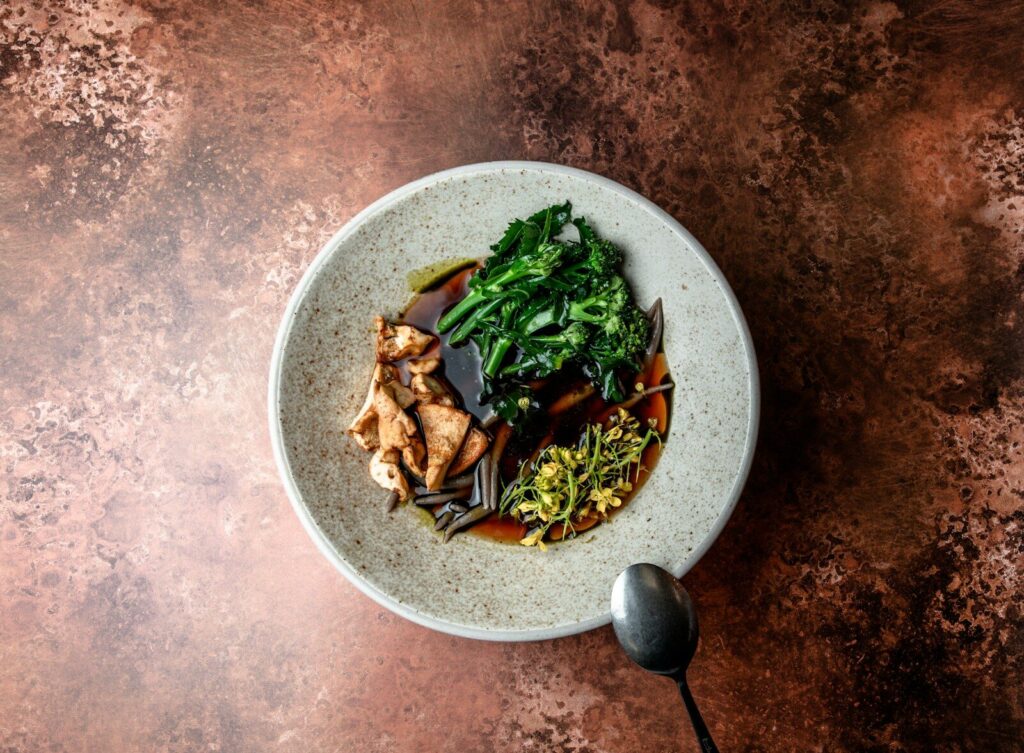
Lunch has to support the work that follows it. Anything too heavy makes the afternoon feel slower, while something too light usually leads to constant snacking.
My basic formula is protein, vegetables, a fibre-rich carbohydrate, and some healthy fat. A typical lunch might be chicken with lentils and greens, salmon with brown rice, or a grain bowl with tofu and vegetables. It is a simple way to put some of the most reliable health and longevity advice into practice.
Fibre is especially useful here because it supports digestion, satiety, and steadier energy. The meal does not need to look impressive. It needs to make the next few hours easier.
Snacks Need A Reason

I do not avoid snacks, but I try to know why I am having one. It is a small example of how low-effort habits that stick can make daily nutrition feel less complicated.
If dinner is still several hours away, I might have fruit and nuts, vegetables with hummus, or yoghurt. Before training, I may choose something with easily digestible carbohydrates. After training, protein becomes more important.
This small distinction helps me separate physical hunger from the urge to take a break. If I am opening the cupboard because work feels tedious, food is probably not the solution.
Dinner Supports Recovery
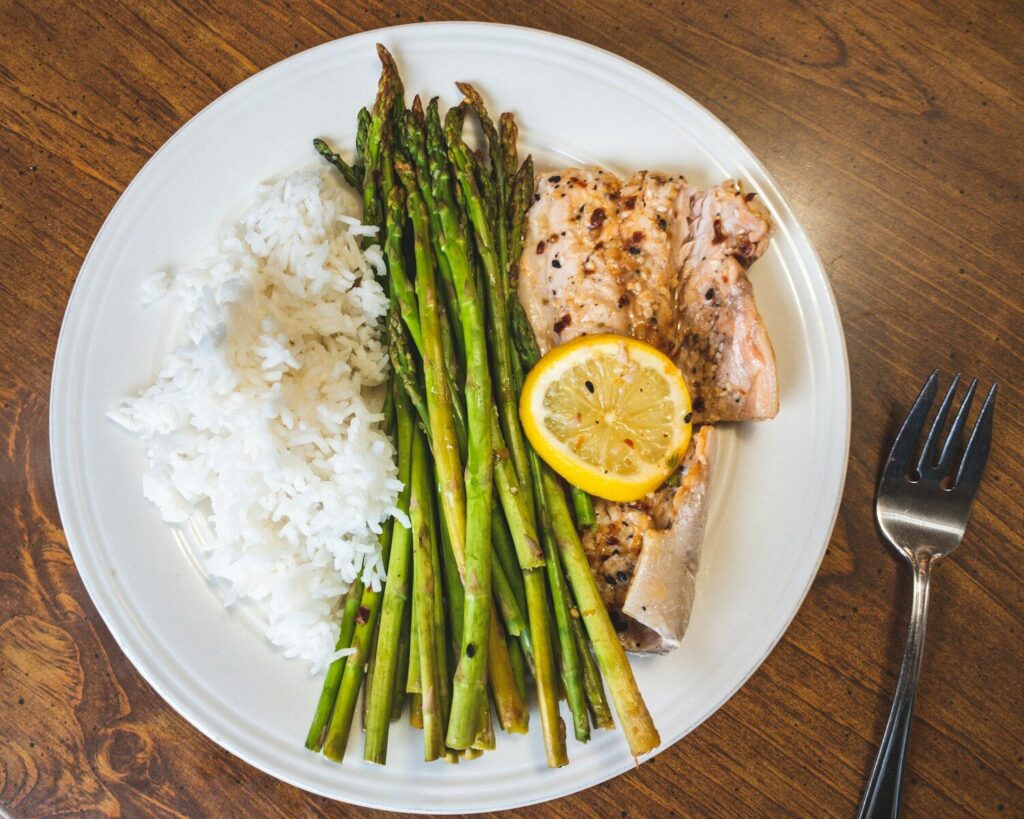
Dinner changes depending on how active the day has been. After training, I usually want a solid serving of protein, vegetables, and enough carbohydrates to replenish energy. That could be chicken with potatoes and roasted vegetables or fish with rice and greens.
On less active days, I may reduce the carbohydrate portion, but I do not follow rigid rules. Appetite, training load, travel, and sleep all influence what the body needs.
I also try to leave some time between dinner and bed. A large late meal rarely helps me sleep well, and better sleep has a greater effect on next-day performance than any supposed superfood.
Hydration Starts Early

I drink water throughout the day instead of realising at 6 p.m. that I have barely had any. Electrolytes can be helpful around intense exercise, travel, or heavy sweating, but I do not add them automatically.
Coffee still plays a role, although I try to use it strategically. It can sharpen a good morning, but it cannot replace sleep, food, or hydration. When I repeatedly need caffeine to push through exhaustion, I take it as one of the signs that the body needs a reset.
Preparation Beats Willpower
The easiest way for me to eat consistently is to remove unnecessary decisions. I keep a few reliable breakfast options available, prepare extra protein at dinner, and stock ingredients that can become lunch quickly.
During particularly demanding weeks, I am also comfortable outsourcing parts of my wellness routine. A healthy meal delivery service or a few prepared staples can be more useful than expecting myself to cook everything from scratch.
The Real Advantage Is Repetition
My diet is not identical every day. There are meals out, travel days, dessert, and mornings when breakfast comes from whatever is available. The general structure simply gives me something dependable to return to.
That is what many high performers understand: food does not need to become another full-time project. The most useful approach supports energy now while contributing to long-term health.
For me, that means protein across the day, plenty of plants, carbohydrates matched to activity, consistent hydration, and enough flexibility to keep doing it next week.