


16 Oct

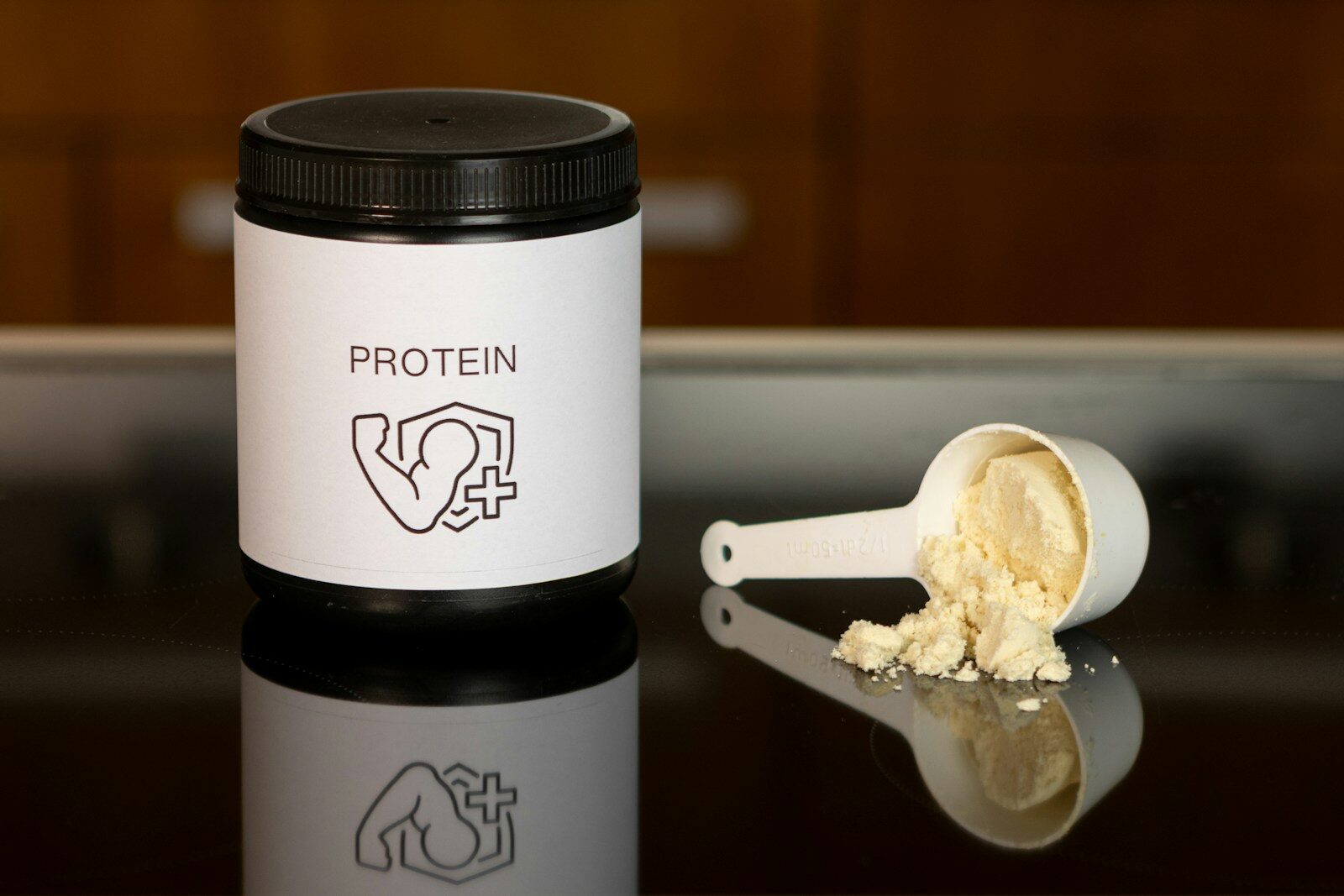
For decades, the official benchmark was 0.8 grams of protein per kilogram of body weight, a number designed to prevent deficiency, not to protect the muscle you’ll want at 60. In January 2026, the new Dietary Guidelines for Americans raised the target to 1.2–1.6 g/kg a day, yet much of the advice online still quotes the old figure. If you’re serious about improving your healthspan and slowing biological aging, the better question isn’t how much protein you can fit in. It’s how much your body can use, and when.
Start With the Right Body Weight
The new range puts a 160-pound (73 kg) adult at roughly 88 to 117 grams a day. That’s a meaningful jump from the 58 grams the old benchmark implied.
What most guides skip is which weight to plug in. If you carry significant extra body fat, calculating from your current weight can inflate the target well beyond what your muscle needs. Using a realistic goal weight, or one in the healthy range for your height, gives a number you can sustain without crowding out everything else on your plate. Then check how it’s working against the health metrics worth tracking after 30.
More Protein Stops Paying Off Sooner Than You Think
A 2018 meta-analysis in the British Journal of Sports Medicine pooled 49 trials and 1,863 participants. It found that intakes above roughly 1.6 g/kg produced no further lean mass gains from resistance training, which means the top of the new guideline range is already the point of diminishing returns for most people.
That matters in an era of protein maxxing. Pushing past 2 g/kg mostly adds cost and calories, and it often displaces the plants that deliver what protein can’t, as we explored in protein vs. fiber. Quality counts too. Collagen powders lift the number on the label, but collagen lacks the essential amino acid tryptophan and is low in leucine, so it shouldn’t carry your daily total. Our breakdown of collagen vs. NAD+ covers where it does earn its place.
When You Eat It Matters More Than Most Articles Admit
The average American adult eats about 13 grams of protein at breakfast and 38 at dinner. In a 2014 study in The Journal of Nutrition, adults averaging 37 years old ate the same 90 grams a day, either split evenly at about 30 grams per meal or skewed heavily toward dinner. The even pattern produced 25% higher 24-hour muscle protein synthesis.
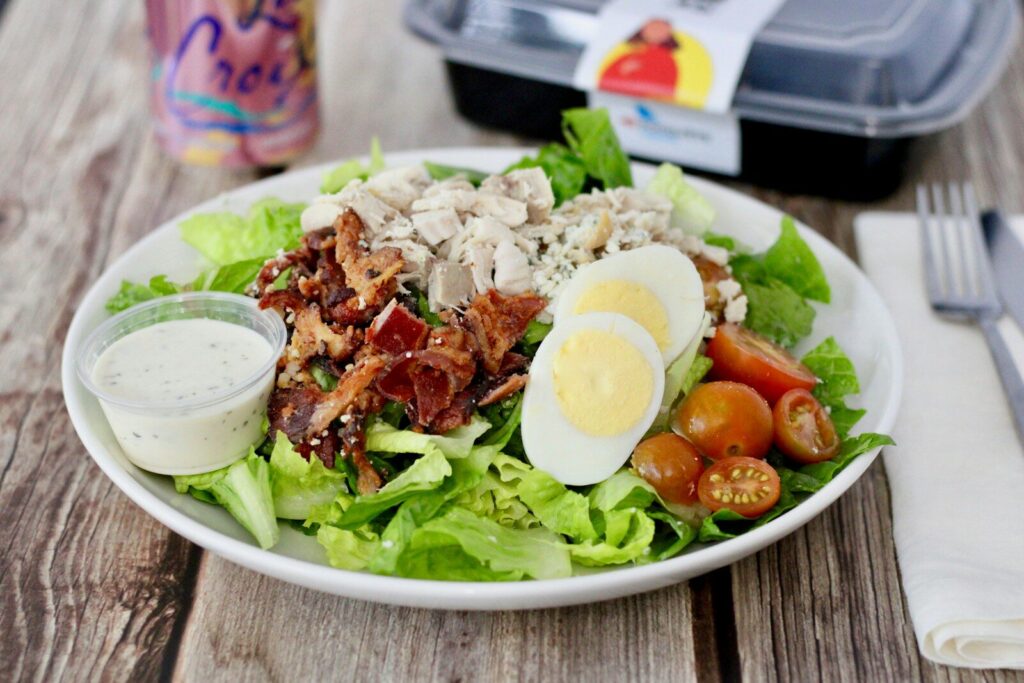
The study was small, with just eight participants. Still, building up breakfast is the simplest upgrade most people can make. Greek yogurt, eggs with smoked salmon, or a quality whey shake gets you there, and what high performers eat in a day and our guide to functional nutrition and daily fueling offer practical templates.

Protein Only Works If You Give It a Job
Muscle loss after 30 tracks closely with inactivity, and the same 2018 meta-analysis found protein’s effect was larger in people who trained. Without resistance work, extra protein has little signal to respond to. Pair your intake with an exercise routine that supports longevity and the recovery habits in our guide to optimizing energy, focus, and recovery. The payoff extends beyond muscle, too. Amino acids are the raw material for collagen and keratin, which is why protein features in our inside-out beauty guide.
One caveat: if you have kidney disease or reduced kidney function, higher protein targets need medical input first. A basic panel that includes creatinine and eGFR, covered in the blood tests worth paying for, tells you where you stand.
The Bottom Line
After 30, aim for 1.2–1.6 g/kg of a realistic body weight, spread across three or four meals of roughly 25 to 40 grams, and pair it with strength training. Beyond that, more protein mostly means more spending, not more muscle. Build your target into the daily nutrition habits that support long-term health and it stops feeling like something to track.