



17 Apr

You can usually tell how the day is going to go by about 10:30 am.
Not because anything dramatic has happened, but because you either feel steady, or you don’t.
Some mornings carry you. Others feel like you’re already catching up, and those are usually the early signals something is slightly off.
What’s interesting is how little it takes to shift that. Not a full routine, not a strict plan, just a few decisions early on that either hold or unravel as the day moves on.
That’s really what functional nutrition comes down to. Not rules, just momentum.
It Starts Earlier Than You Think
Most people treat breakfast like an afterthought. And it often happens within a routine that already shapes more than people realize.
Coffee, something quick, or nothing at all if the morning gets busy. It feels manageable at the time, until an hour later, when you’re distracted, hungry, or already thinking about what you need next.
The difference with people who feel consistently steady isn’t that they eat perfectly. It’s that they start a little more deliberately.
Something simple, but real. Eggs, yogurt, and toast with something on it that actually fills you up. Even just adding a bit of protein alongside whatever you already have.
It doesn’t need to look like a “healthy breakfast.” It just needs to last.
The Middle Of The Day Is Where It Shows

By lunchtime, you can usually feel how the morning landed.
If you’re already running low, lunch becomes reactive. You grab whatever’s easiest, eat quickly, and move on. It works, but not for long.
On days when things feel more level, there’s less urgency around it. You eat because it makes sense to, not because you’re trying to fix something. The meals themselves aren’t complicated. It’s usually built on a few simple habits that don’t take much effort to repeat.
They just tend to have enough weight. Something that fills you, something that slows things down a bit, something that doesn’t leave you looking for more straight away.
That’s often the difference between feeling fine through the afternoon and hitting that familiar dip people try to push through.
Drinks Quietly Set The Pace
It’s easy to underestimate how much drinks shape the day.
Coffee is usually the constant, and for good reason. It works. But it works best when it’s not doing all the heavy lifting.
When you’ve eaten properly and are hydrated, coffee sharpens things. When you haven’t, it feels like something you keep topping up just to stay where you are.
There’s also something about having a few reliable options that aren’t just caffeine. Water throughout the day, something warm when you need a reset, even just pausing long enough to notice you haven’t had anything in a while.
These are small things, but they tend to separate days that feel smooth from ones that don’t. Most people don’t realize how much they’re relying on quick fixes instead of something more consistent.
You Don’t Need To “Fix” Your Gut
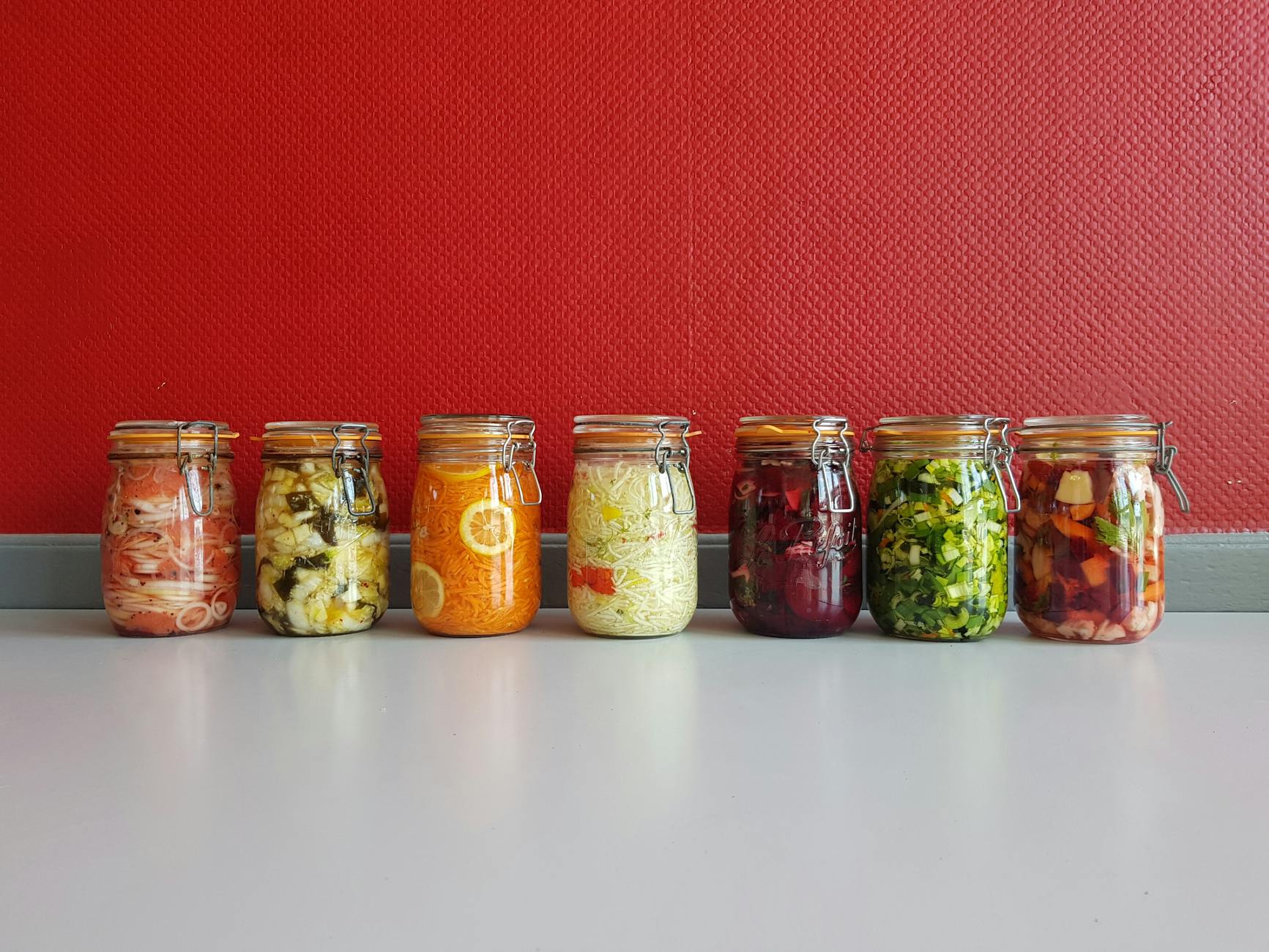
Gut health has become one of those areas where it feels like you should be doing more. More tracking, more inputs, more things to measure.
More supplements, more protocols, more changes all at once. Most of the time, it’s not that complicated.
People who feel good day to day usually eat with a bit more range. More fiber without trying too hard, more variety across the week, something fermented here and there if it suits them.
It’s less about chasing a result and more about giving your body something consistent to work with.
If anything, it’s quieter than people expect.
The People Who Get This Right Keep It Repetitive
This is the part that tends to surprise people.
Eating well doesn’t usually come from variety. It comes from repetition. The same kind of repetition that tends to show up across everything that actually improves health.
Not in a restrictive way, just in a way that removes friction. A few breakfasts you can rely on. A couple of lunches that don’t take much thought. Foods you keep around because you know they work.
It makes everything else easier.
You’re not constantly deciding what to eat. You’re just eating in a way that supports you without needing to think about it.
Where Supplements Actually Fit
Supplements tend to come in later, not first.
They’re useful when something is missing or when you need a bit more support than food alone can give you that day. The challenge is knowing what’s genuinely useful versus what just sounds convincing.
For some people, that’s protein when time is tight. For others, it’s something in the evening that helps them wind down properly.
But they work best when they’re supporting something that’s already steady, not trying to compensate for everything else.
It’s Less About Control, More About Flow
The people who feel consistently good aren’t usually doing anything extreme.
They’re just not constantly correcting.
Their meals carry them. Their energy doesn’t swing as much. They don’t need to keep adjusting or restarting halfway through the day.
It looks simple from the outside, and it is.
That’s the point.
Final Thought
Functional nutrition isn’t about building the perfect plan.
It’s about creating a way of eating that moves with you through the day without breaking down.
When it’s working, you don’t really think about it. You just notice that things feel easier to hold. It’s the same pattern that shows up in long-term health, it’s not dramatic, but it compounds.
And that’s usually enough.